The UN’s Top Job
A public communications campaign explaining how the UN selects its Secretary-General and giving people a reason to follow the process.
Office of the President of the United Nations General AssemblyFebruary 2026 to present
Context and challenge
The Secretary-General is one of the United Nations’ most recognisable figures. The process used to select that person is far less familiar. It is long, procedural and only comes into public view at this scale once a decade.
I began working on the campaign before the first interactive dialogues, the first major public stage after candidates had been nominated. The task was to build a continuing story around the selection as it unfolded: explain who was involved, introduce each new stage, create routes for public participation and give people a reason to keep following over several months.
The campaign also had to serve very different audiences. Member States, journalists and civil society needed accurate and timely information. Wider audiences first needed to understand how the process worked and why it mattered.
Every candidate had to receive equal treatment across wording, imagery and visibility. That ruled out building the campaign around individual personalities. The process itself had to carry the story.
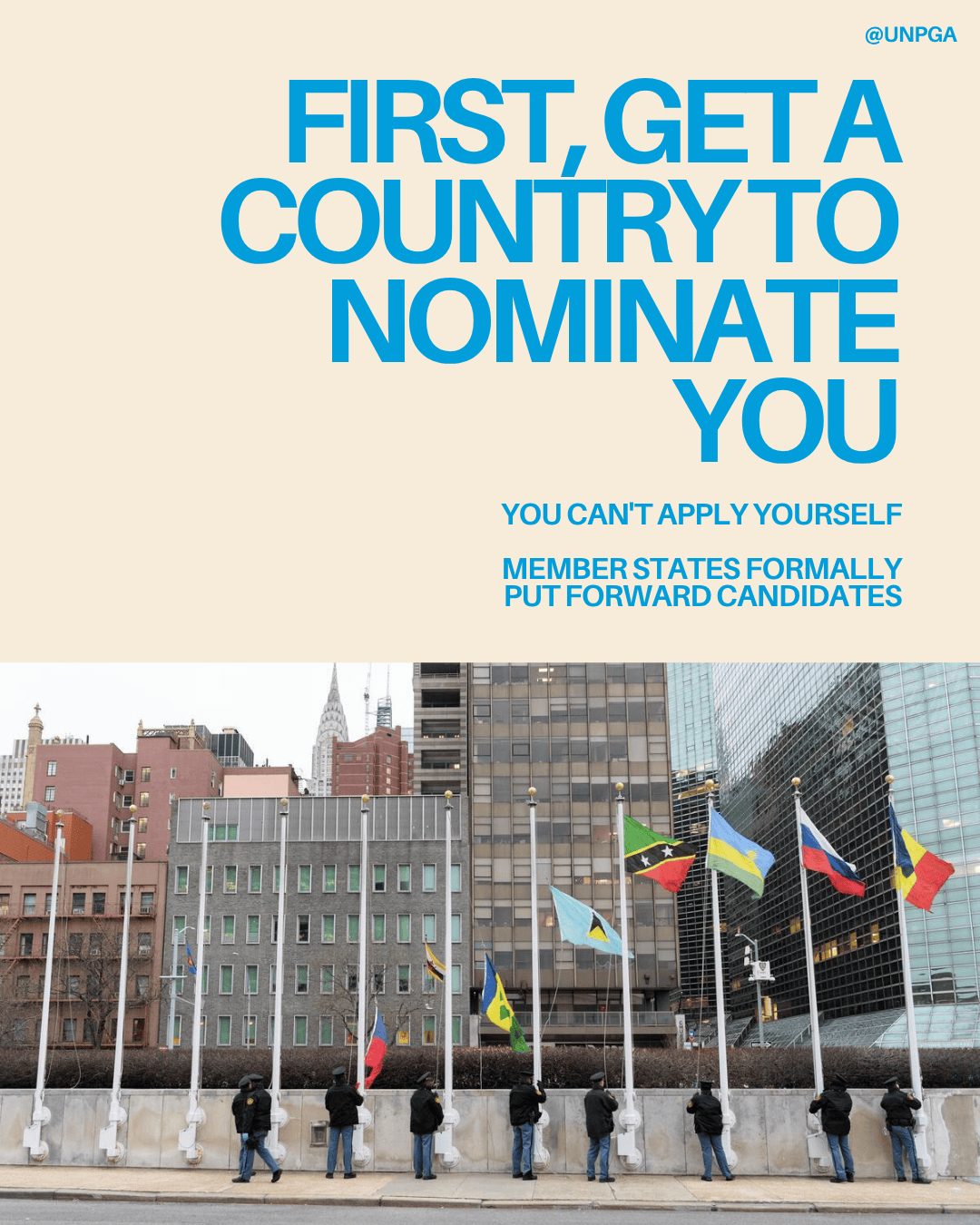
Slide 1 / 6
My role
I led the campaign’s day-to-day editorial and creative development within the Office’s communications team.
I set the editorial sequence and developed the main concepts for each stage of the process. I managed the campaign across messaging, visual direction, video production, event promotion, live coverage and the materials shared with partner offices.
This involved deciding how each development should be explained, which format it required and how it connected to the larger selection process.
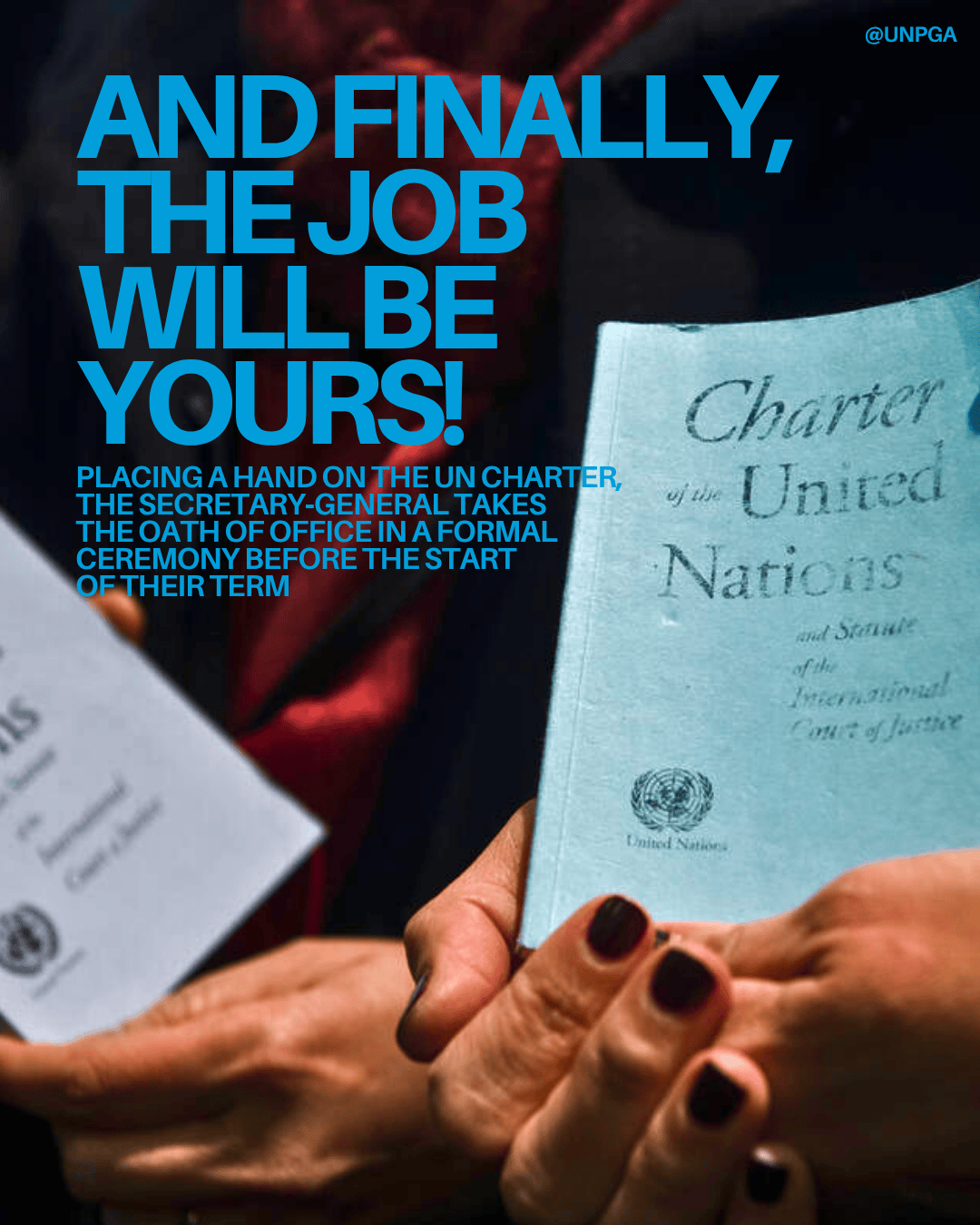
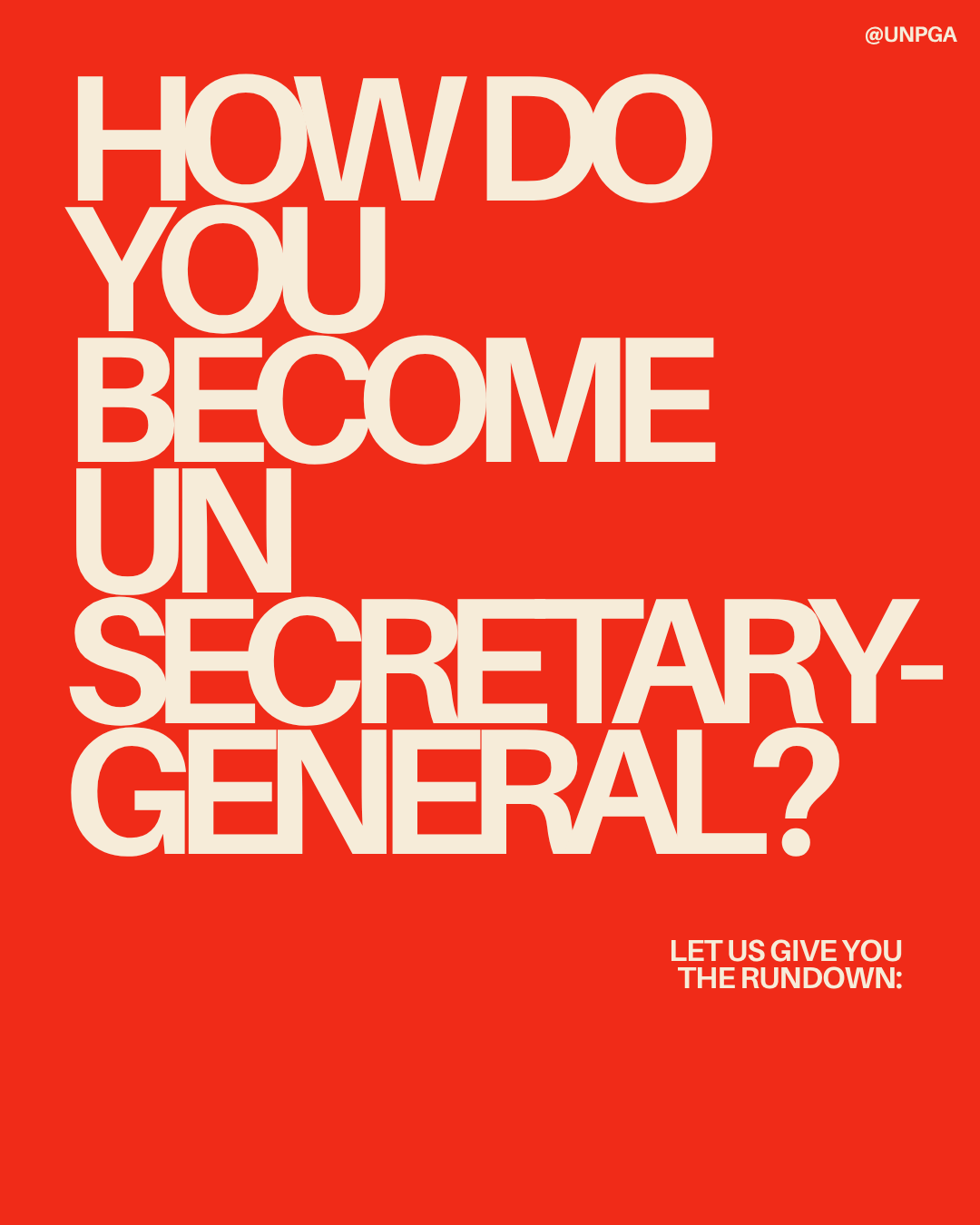
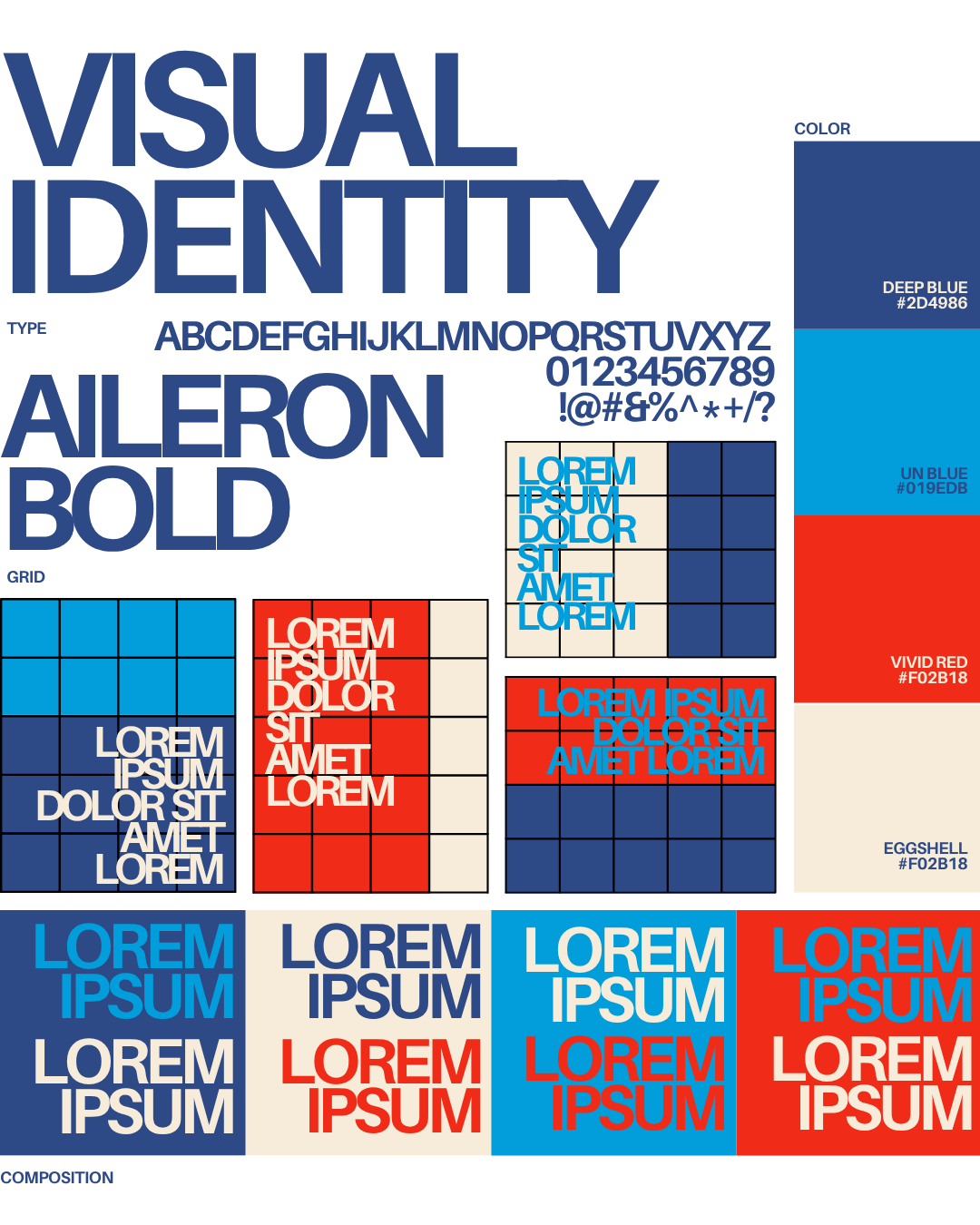
I also developed the campaign’s visual identity. Much of the United Nations’ public communication uses familiar institutional colours and layouts. The selection process needed a system that was visibly distinct while still feeling part of the organisation.
The resulting grid, typography and colour system gave the campaign a consistent identity across several months. It was also flexible enough to accommodate nominations, events and other developments that could not all be planned in advance.
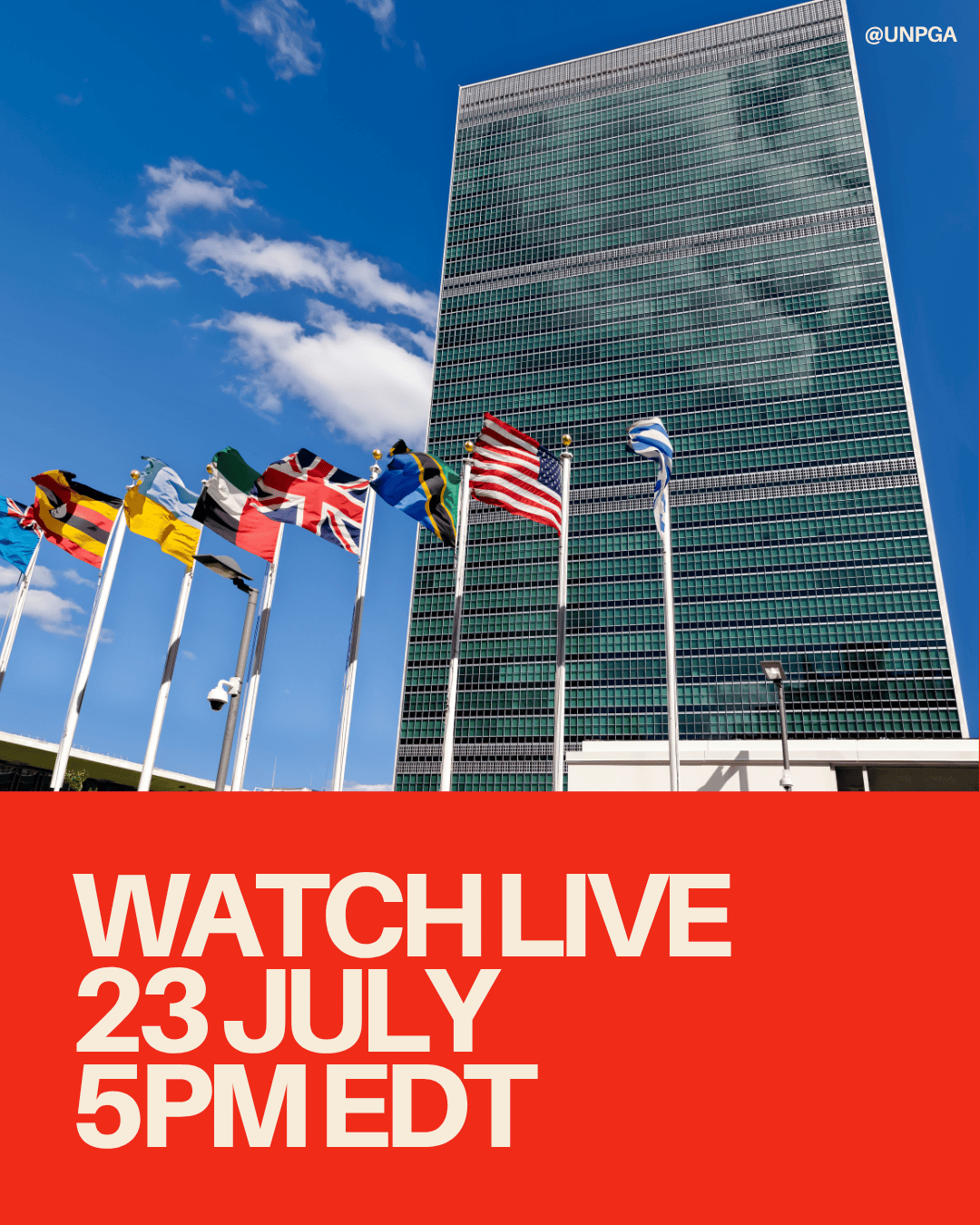
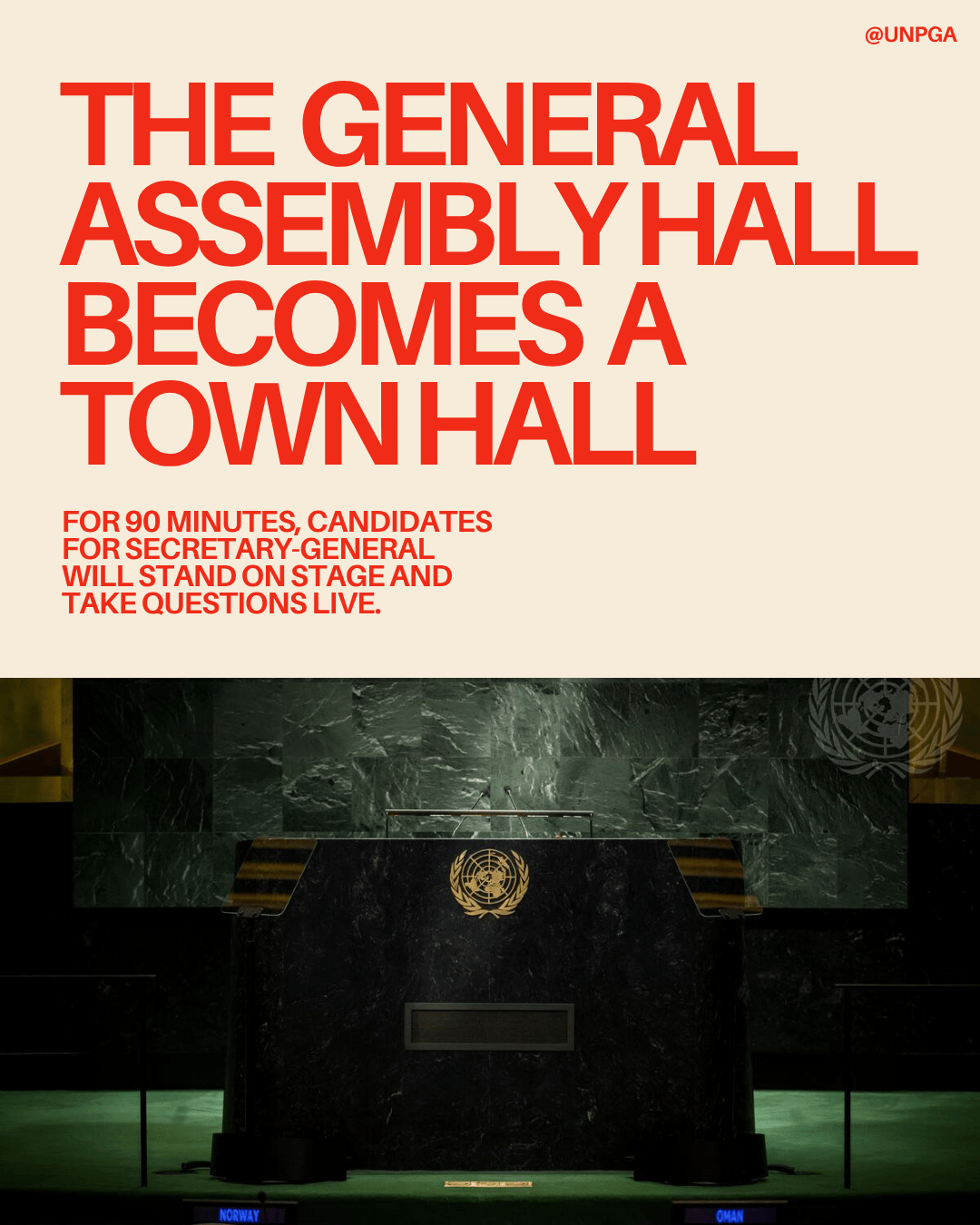
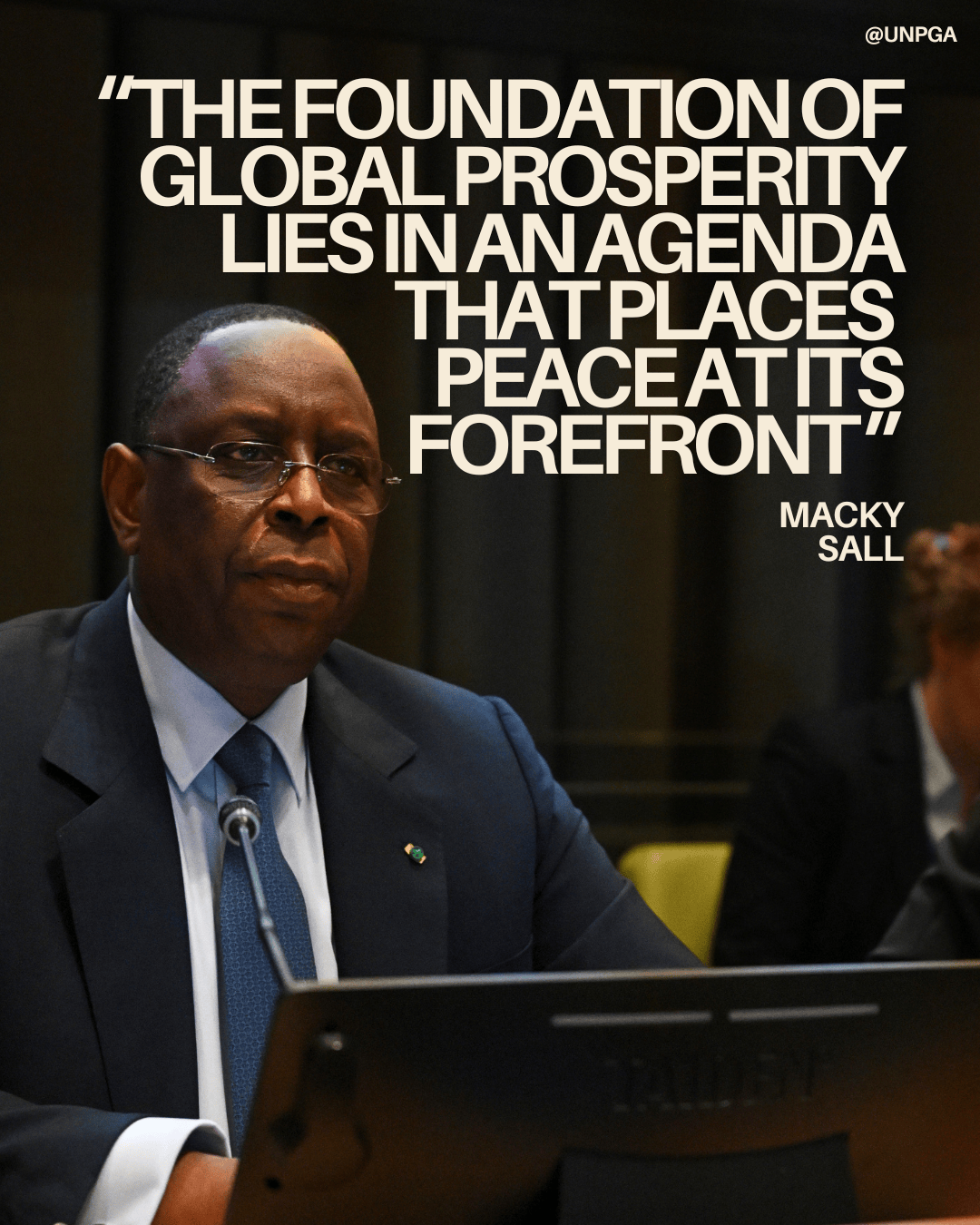
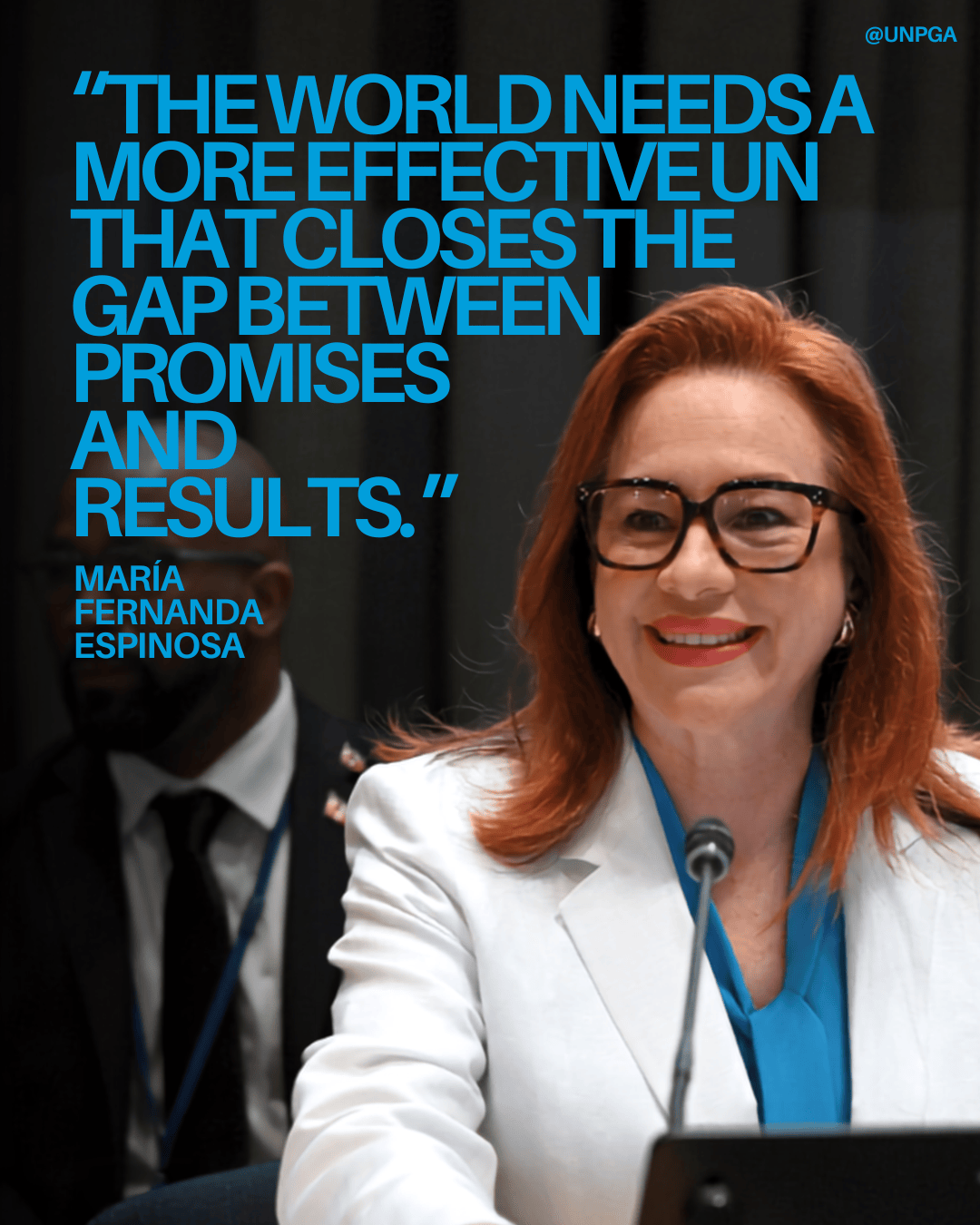
The system was applied across social media, video, event screens, print materials and partner assets. It could accommodate explainers, candidate materials, interactive-dialogue holding slides and live-event coverage while maintaining consistent rules for layout, scale and wording.
Those rules also helped ensure equal treatment. Each candidate received the same space, visual prominence and level of information.
The editorial approach changed by platform. Instagram carried more explanation, visual storytelling and accessible language for wider and younger audiences. X prioritised timely information for journalists and Member States. LinkedIn provided fuller institutional context.
Key decisions
Tell one story in stages
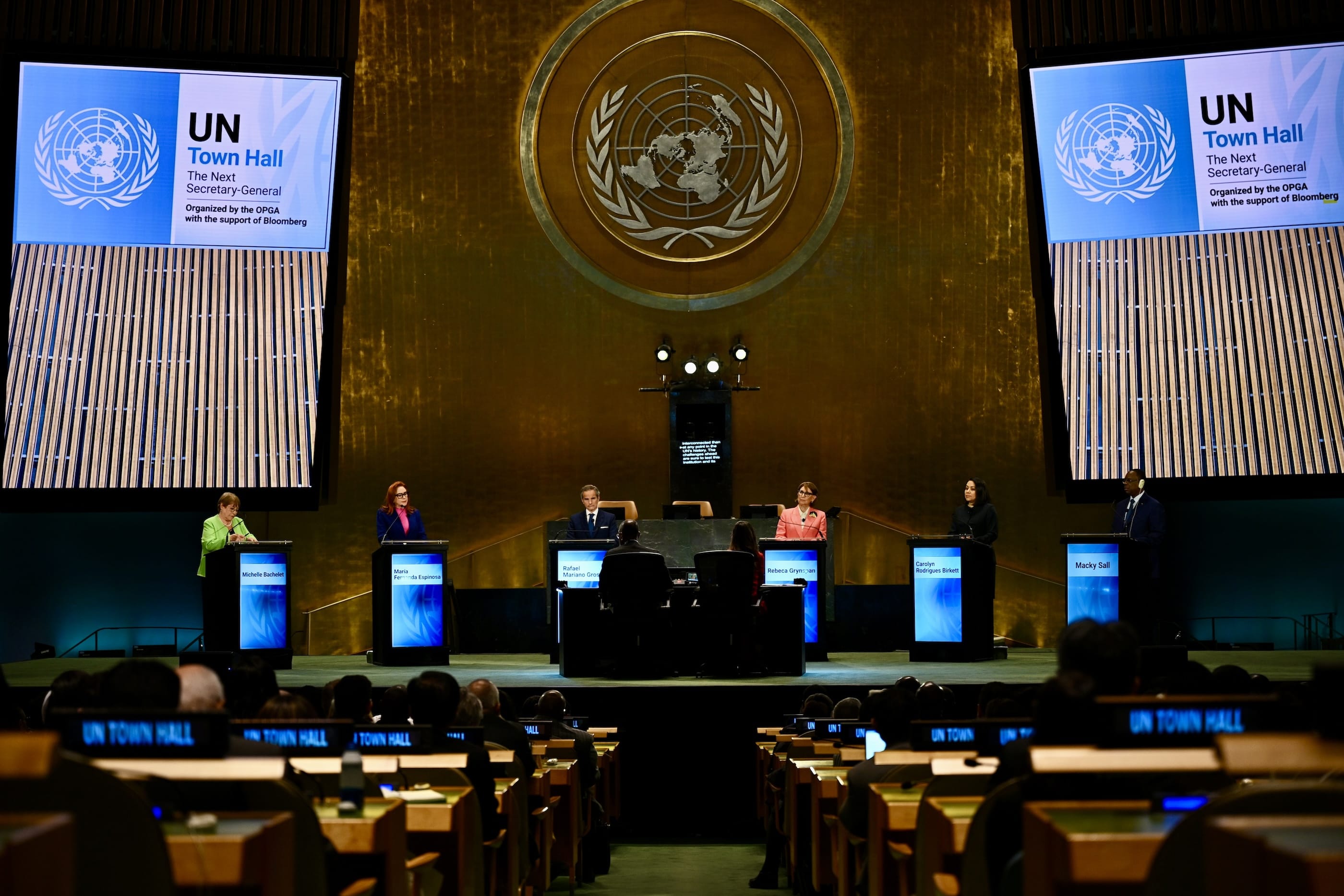
The interactive dialogues, town hall and later stages could easily have appeared as separate United Nations events. Audiences would then have needed to relearn the context each time. The campaign instead presented them as parts of one continuing process. Each piece of content explained where the selection stood, why the current stage mattered and what would follow.
Use familiar language carefully
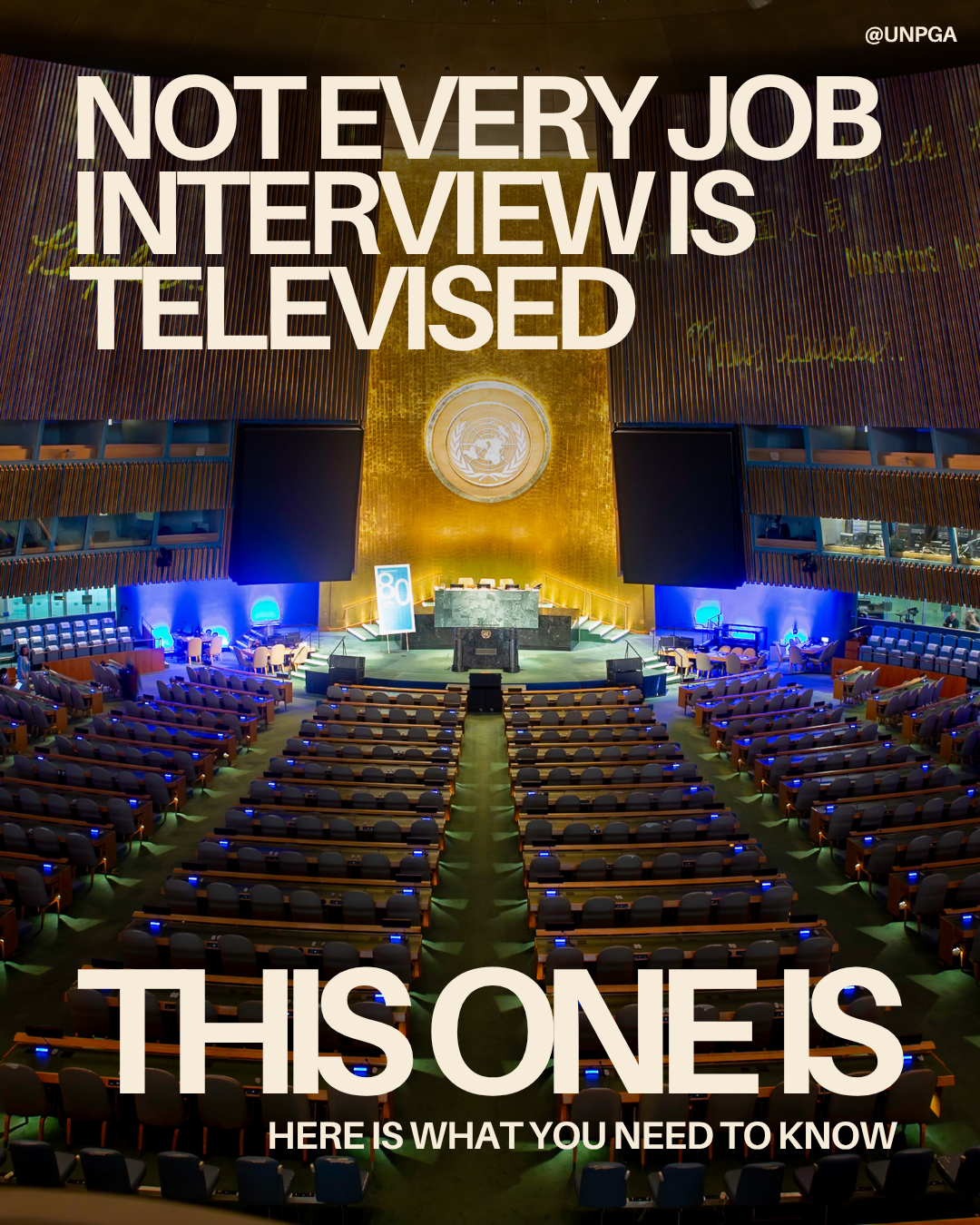
The language of job applications and interviews offered an immediate route into a formal institutional process. I developed the line “The world’s toughest job interview” as the main public hook for the interactive dialogues and later campaign moments. The framing made the process more immediate without replacing the procedural detail. It drew audiences in, while captions, explainers and event information still explained how the selection actually worked.
Keep the process at the centre
Equal treatment ruled out building interest around individual personalities. Candidate graphics followed the same visual system, each candidate received the same amount of space and the wording avoided suggesting preference, ranking or momentum. This became one of the campaign’s organising principles. The central question was not which candidate appeared most compelling. It was how the United Nations chooses its next Secretary-General.
Build interest around real moments
The campaign ran alongside the Office’s wider programme of work. Keeping the selection at maximum volume for several months would have crowded out other priorities and weakened the effect of the most important moments. Publishing therefore increased around nominations, interactive dialogues, participation deadlines and live events. During quieter periods, occasional explainers and updates kept the process visible without forcing a constant stream of promotional content.
Slide 1 / 4
Slide 1 / 6
Outcome
By the end of July 2026, content published through the Office’s own accounts had recorded more than 1.2 million views and impressions across Instagram, X and LinkedIn. These figures cover only content published through accounts owned by the Office. They do not include amplification by partner offices, Member States, media outlets or other United Nations channels. I provided partner offices with campaign messages, adaptable assets and Trello boards that made the materials easier to access and publish. United Nations Information Centres and other UN accounts translated and distributed campaign content in several languages, including Spanish and Portuguese. The campaign was amplified by accounts including SDG Action, UN Brazil, UN Caribbean, UN Europe, UN Geneva, UN India, United Nations Hindi, the United Nations Foundation, the UN Information Centre in Washington and UN Portuguese. Several of these channels have audiences considerably larger than those of the Office. Their analytics are not included in the figure above.
The campaign also travelled beyond United Nations channels. The “world’s toughest job interview” framing was used by media outlets including Al Jazeera and Deutsche Welle. Member States further extended the campaign around moments such as the interactive dialogues and town hall through their own coverage, campaign materials and reposting. The project remains ongoing. Final reach, engagement, participation and event figures will be added as the selection process progresses. Institutional processes do not always need to be reduced to a simpler version of themselves. They need a clear point of entry. Once people understood who was involved, how the process worked and why the next stage mattered, they had a reason to follow it.
Credits Developed within the communications team at the Office of the President of the United Nations General Assembly. I led the campaign’s day-to-day editorial and creative development, including the editorial sequence, campaign concepts, messaging, visual identity, video production, event promotion, live coverage and partner materials.