Meet the Interns
A short-form video series showing how interns contribute to the work of different policy sections at the EU Delegation.
EU Delegation to the UN in GenevaNovember 2025 to January 2026

Context and challenge
The Delegation's communications work changes with each intern cycle. Some communications interns arrive with strong video experience, while others focus more on writing, web content or event coverage. I wanted to create a format that could be repeated by future teams without relying on one person's particular production skills.
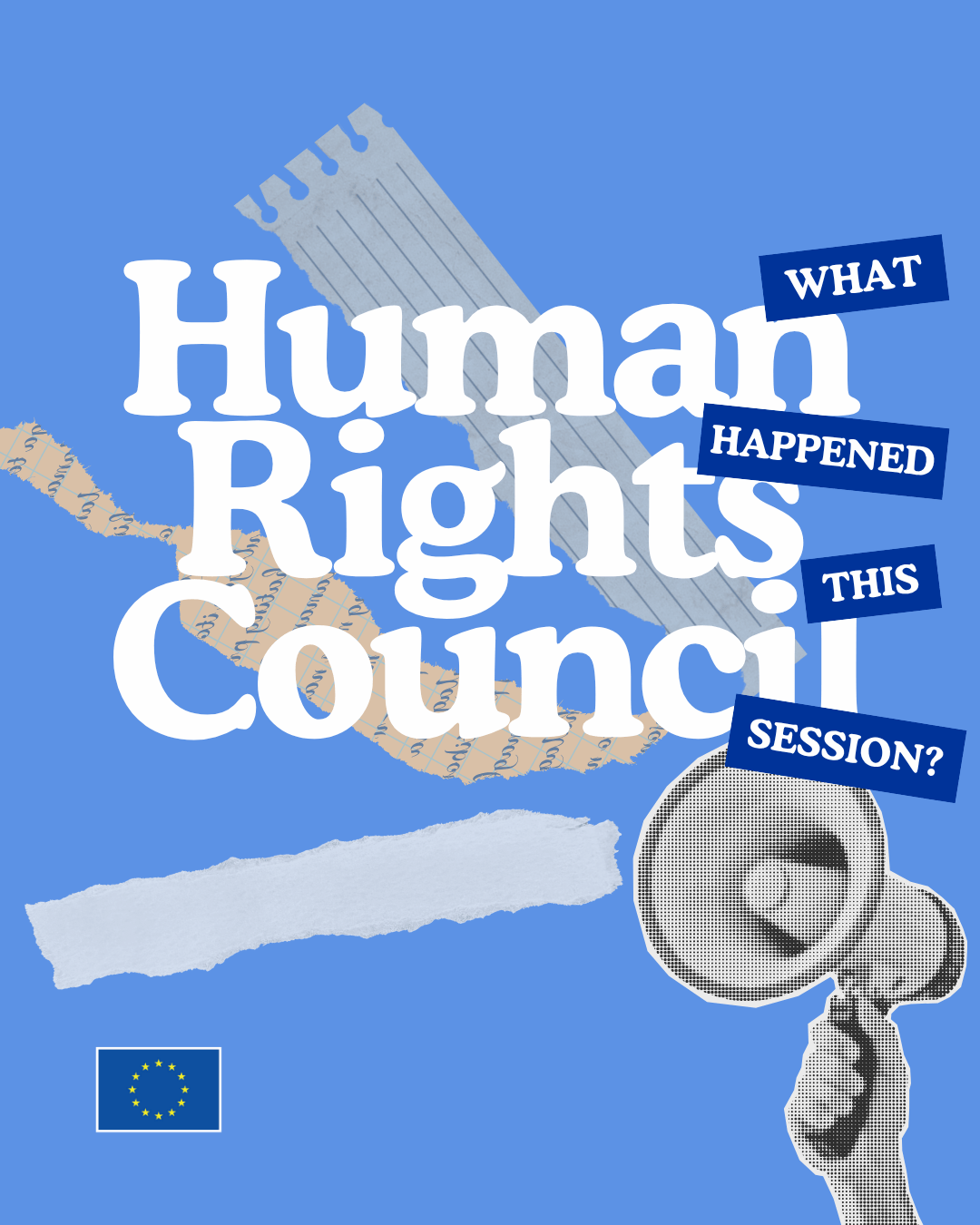
Each video followed the interns working in one policy section and explained what their team was doing during a major moment in Geneva. The first two episodes featured the human rights interns during a session of the Human Rights Council and the disarmament interns during the Conference on Disarmament.
The main audience was students and young professionals interested in multilateral work. Rather than presenting the internship in general terms, the videos showed the meetings, subjects and day-to-day contributions behind each role.
My role
I developed the format and produced the first two videos from start to finish.
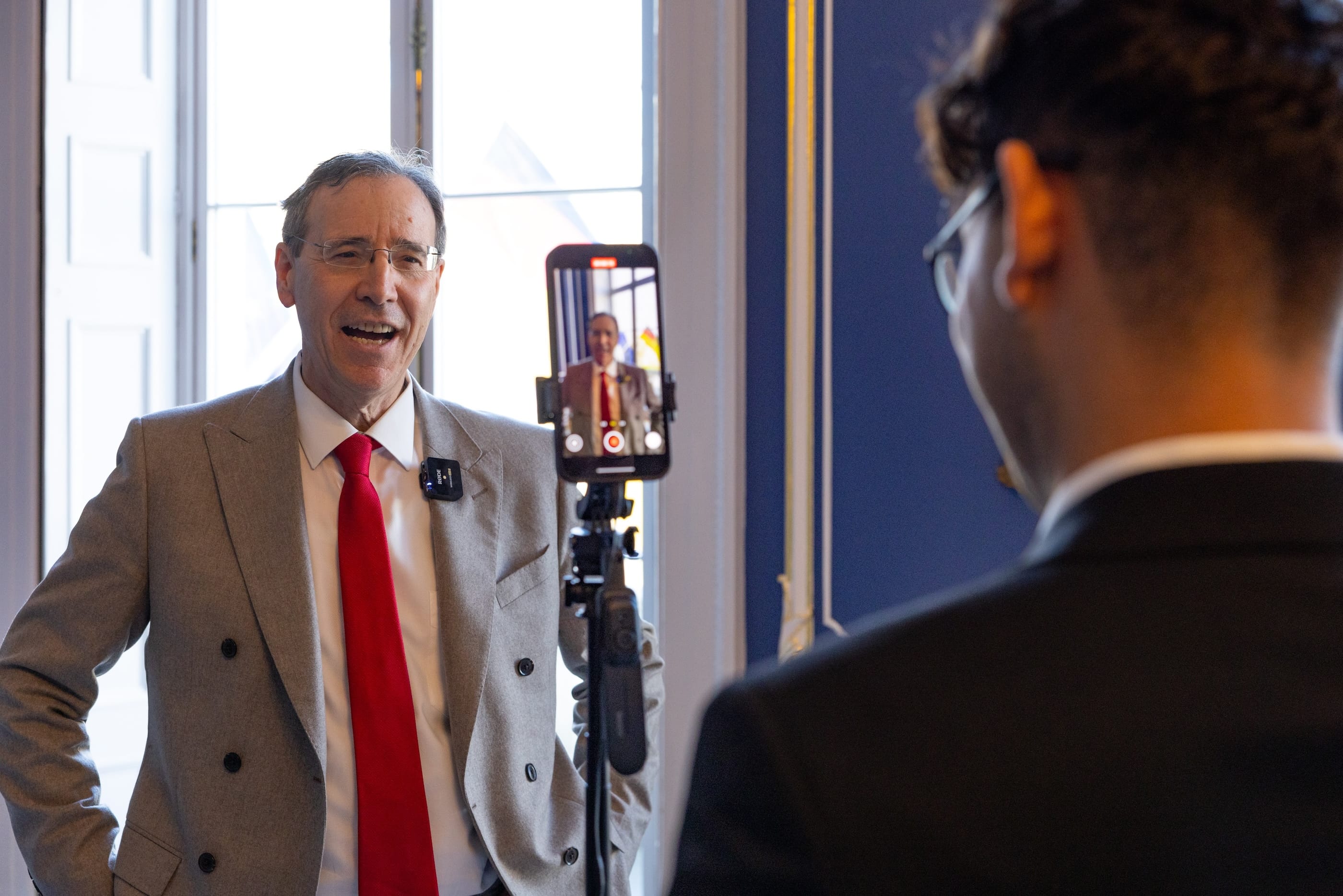
I wrote the initial scripts, worked with the interns to refine their lines, planned the filming locations, directed and filmed the sequences, and handled the editing, graphics, captions and publishing.
The scripts gave each video a clear structure, but they were not fixed. Participants could rewrite their lines, choose which parts of their work they wanted to highlight and suggest locations or visual ideas. Most had little experience speaking to camera, so the filming process allowed for several takes and enough time to become comfortable with the format.
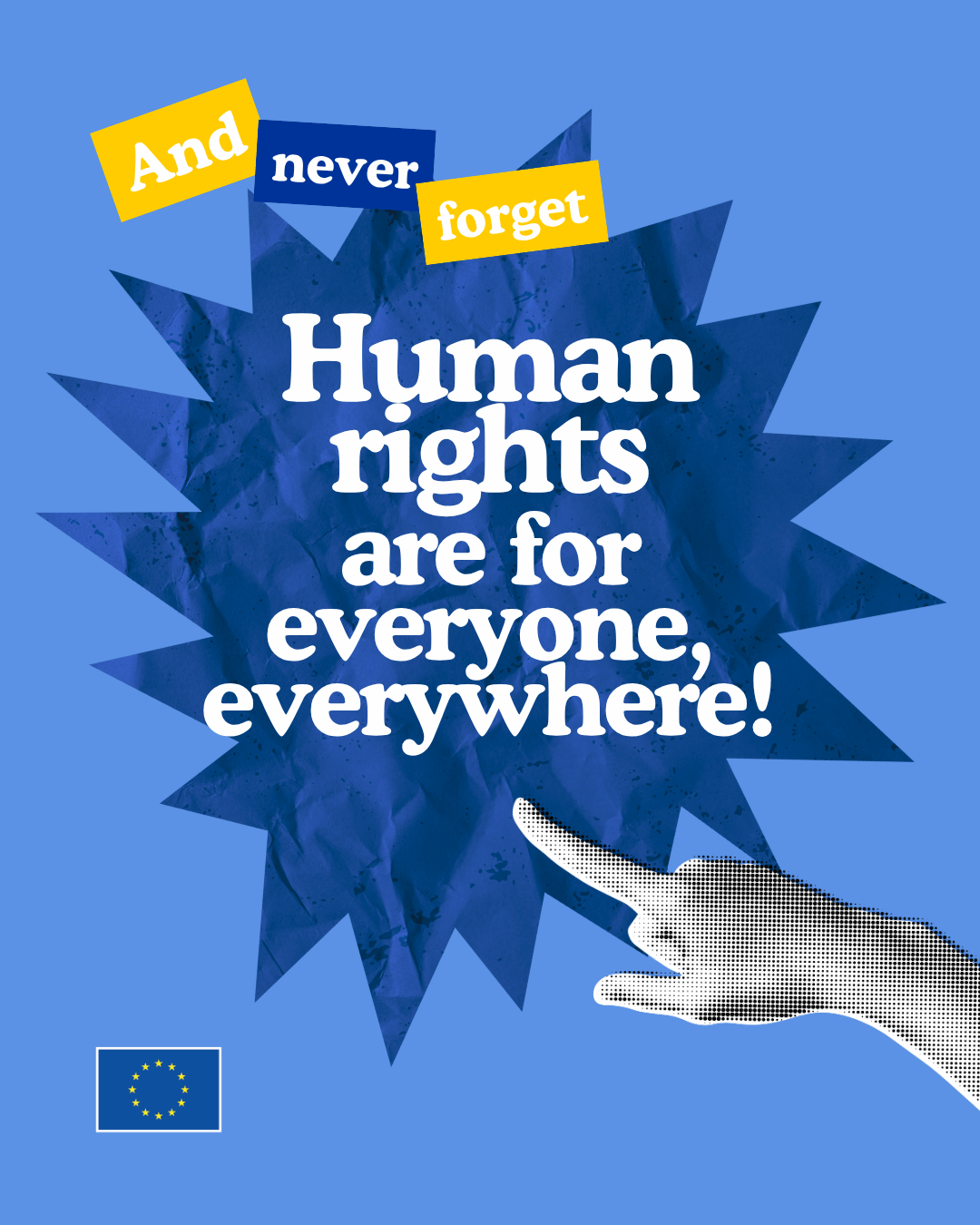
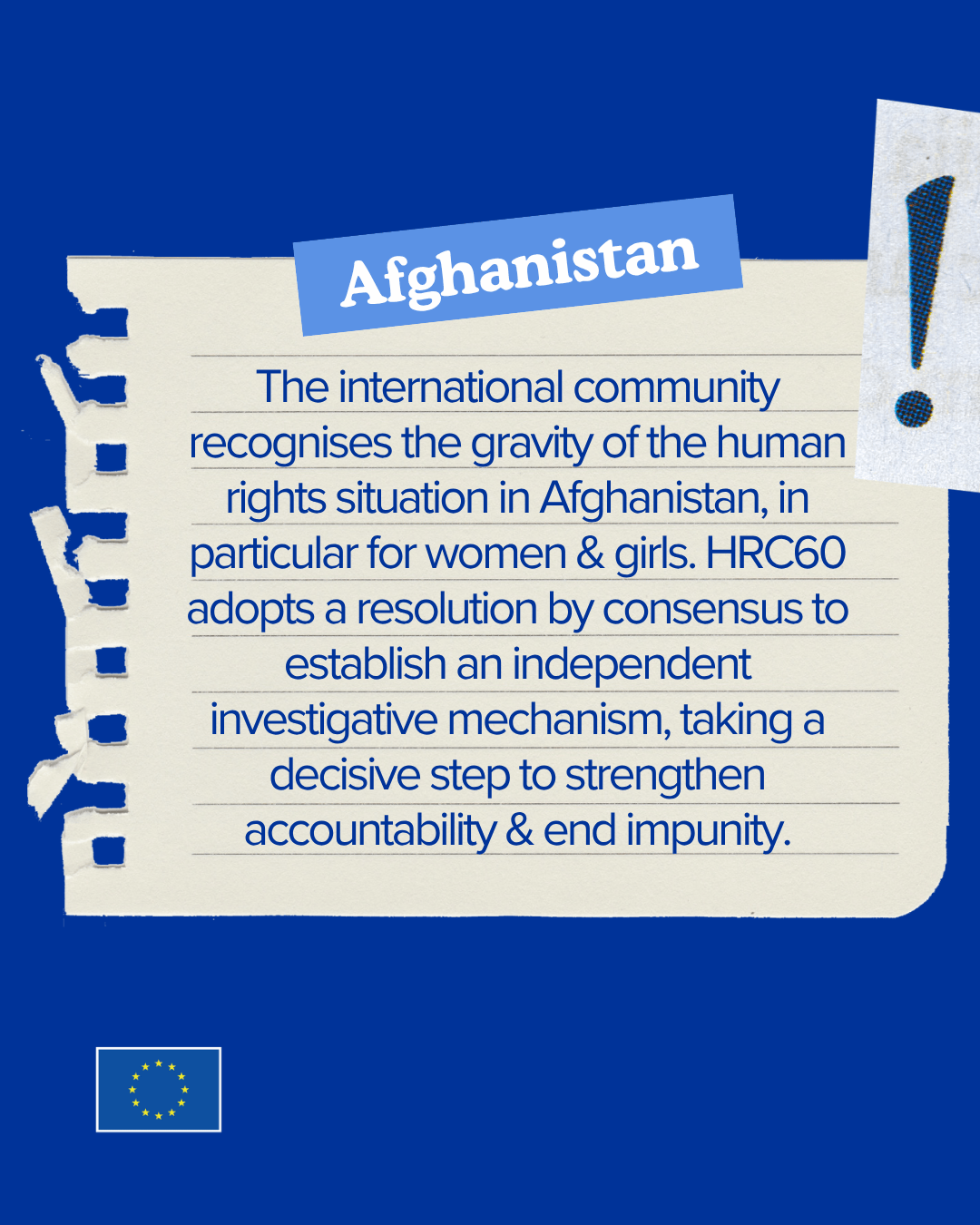
The final videos used walking shots, quick cuts, on-screen text, images and illustrated icons to add context while keeping the tone professional and native to social media.
Key decisions
Show the work through the interns
The videos were not designed as personal introductions alone. The interns acted as guides to the work of their sections, explaining the issues, meetings and responsibilities they were contributing to. This made the institution more approachable while keeping the substance of each policy area at the centre.
Build around live policy moments
Each episode was tied to a period when attention was already on the section's work. The Human Rights Council and Conference on Disarmament gave the videos a clear reason to be published and helped connect the interns' contributions to the Delegation's wider agenda.
Give participants room to shape it
The scripts provided structure, but the strongest details came from the interns themselves. They refined the wording, chose what they wanted to explain and contributed ideas for locations and visuals. Giving them that ownership made the delivery more natural and the finished videos more accurate.
Context and challenge
The Delegation's communications work changes with each intern cycle. Some communications interns arrive with strong video experience, while others focus more on writing, web content or event coverage. I wanted to create a format that could be repeated by future teams without relying on one person's particular production skills.
Each video followed the interns working in one policy section and explained what their team was doing during a major moment in Geneva. The first two episodes featured the human rights interns during a session of the Human Rights Council and the disarmament interns during the Conference on Disarmament.
The main audience was students and young professionals interested in multilateral work. Rather than presenting the internship in general terms, the videos showed the meetings, subjects and day-to-day contributions behind each role.
My role
I developed the format and produced the first two videos from start to finish.
I wrote the initial scripts, worked with the interns to refine their lines, planned the filming locations, directed and filmed the sequences, and handled the editing, graphics, captions and publishing.
The scripts gave each video a clear structure, but they were not fixed. Participants could rewrite their lines, choose which parts of their work they wanted to highlight and suggest locations or visual ideas. Most had little experience speaking to camera, so the filming process allowed for several takes and enough time to become comfortable with the format.
The final videos used walking shots, quick cuts, on-screen text, images and illustrated icons to add context while keeping the tone professional and native to social media.
Key decisions
Show the work through the interns
The videos were not designed as personal introductions alone. The interns acted as guides to the work of their sections, explaining the issues, meetings and responsibilities they were contributing to. This made the institution more approachable while keeping the substance of each policy area at the centre.
Build around live policy moments
Each episode was tied to a period when attention was already on the section's work. The Human Rights Council and Conference on Disarmament gave the videos a clear reason to be published and helped connect the interns' contributions to the Delegation's wider agenda.
Give participants room to shape it
The scripts provided structure, but the strongest details came from the interns themselves. They refined the wording, chose what they wanted to explain and contributed ideas for locations and visuals. Giving them that ownership made the delivery more natural and the finished videos more accurate.
Outcome
The two videos received positive feedback from colleagues in Geneva, EU Member State communications teams and Brussels headquarters. They were also shared by the participating interns through their own professional networks.
The format was designed to continue across the Delegation's humanitarian, labour and other policy sections, but only two episodes were completed before my placement ended.
The strongest part of the project was the collaboration with the participants. Involving them early made them more comfortable in front of the camera and gave the videos details that would not have emerged from a fully fixed script.
With more time, I would have expanded the series across more sections and used a dedicated camera setup to improve image quality and allow for a wider range of filming locations.
Slide 1 / 8
Credits Conceived, filmed and edited by me, with contributions from the participating interns and editorial approval from the EU Delegation communications team.